
How to eat a balanced and nutrient-rich vegetarian diet sets the stage for a journey into the world of plant-based nutrition, offering insights and tips for a healthier lifestyle. Dive into the details and discover the keys to optimal well-being through mindful food choices.
As we explore the components of a nutrient-rich vegetarian diet, you’ll uncover the secrets to maintaining a balanced and healthy lifestyle that nourishes both body and mind.
Balanced Diet
Eating a balanced vegetarian diet is crucial for overall health and well-being. It ensures that your body receives all the necessary nutrients to function optimally. By including a variety of nutrient-rich foods in your diet, you can meet your daily requirements and prevent deficiencies.
Importance of a Balanced Vegetarian Diet
A balanced vegetarian diet provides essential nutrients such as protein, fiber, vitamins, and minerals that are important for maintaining good health. It can help reduce the risk of chronic diseases like heart disease, diabetes, and certain types of cancer.
Nutrient-Rich Foods to Include
- Legumes (beans, lentils, chickpeas): excellent sources of protein, fiber, iron, and folate.
- Whole grains (quinoa, brown rice, oats): rich in fiber, B vitamins, and minerals like magnesium and selenium.
- Fruits and vegetables: provide vitamins, minerals, antioxidants, and fiber essential for overall health.
- Nuts and seeds: good sources of healthy fats, protein, and essential nutrients like omega-3 fatty acids.
- Dairy alternatives (fortified plant-based milk): for calcium, vitamin D, and other nutrients found in dairy products.
Role of Vitamins and Minerals
Vitamins and minerals play a crucial role in maintaining a balanced diet by supporting various functions in the body. For example, vitamin C helps with immune function, while iron is essential for oxygen transport in the blood. Including a variety of fruits, vegetables, whole grains, and nuts/seeds can help you get a wide range of vitamins and minerals in your diet.
Tips for Variety in a Vegetarian Diet
- Experiment with different fruits and vegetables to keep meals interesting and colorful.
- Try new recipes and cooking methods to explore a variety of flavors and textures.
- Incorporate different types of grains, legumes, nuts, and seeds to ensure a mix of nutrients in your diet.
- Include a variety of protein sources like tofu, tempeh, seitan, and plant-based meat alternatives for balanced nutrition.
Mental Wellness
A balanced vegetarian diet not only benefits physical health but also plays a crucial role in promoting mental wellness. The nutrients found in plant-based foods can positively impact brain function and emotional well-being.
Impact of Nutrient-Rich Foods
Nutrient-rich foods, such as fruits, vegetables, whole grains, nuts, and seeds, provide essential vitamins, minerals, and antioxidants that support cognitive function and help regulate mood. Consuming a variety of these foods can help reduce the risk of mental health disorders and improve overall well-being.
Role of Omega-3 Fatty Acids
Omega-3 fatty acids, particularly DHA and EPA, are essential for brain health and have been linked to improved cognitive function and reduced risk of depression. While these fatty acids are commonly found in fish, vegetarians can obtain them from plant-based sources like flaxseeds, chia seeds, walnuts, and algae supplements.
Mindfulness Practices
In addition to a balanced diet, mindfulness practices can further enhance mental well-being. Activities such as meditation, yoga, deep breathing exercises, and mindfulness-based stress reduction techniques can help reduce stress, improve focus, and promote emotional resilience. Combining these practices with a nutrient-rich vegetarian diet can create a powerful synergy for optimal mental wellness.
Physical Fitness
Maintaining physical fitness is crucial for overall health and well-being. A balanced and nutrient-rich vegetarian diet can provide the necessary fuel and nutrients to support physical fitness goals.
Vegetarian Protein Sources
Including sources of protein in a vegetarian diet is essential for muscle building and recovery. Some examples of vegetarian protein sources include:
- Lentils
- Chickpeas
- Quinoa
- Tofu
- Greek yogurt
Carbohydrates and Fats
Carbohydrates and fats play a key role in sustaining energy levels for physical activity. Carbohydrates provide the necessary fuel for workouts, while healthy fats support overall energy and recovery. Including whole grains, fruits, nuts, seeds, and avocado in your meals can help maintain energy levels throughout the day.
Meal Planning for Vegetarian Athletes
Proper meal planning is essential for vegetarian athletes to meet their fitness goals. Some tips include:
- Include a variety of fruits, vegetables, whole grains, and plant-based proteins in each meal.
- Plan meals and snacks ahead of time to ensure you are getting all the necessary nutrients.
- Stay hydrated by drinking plenty of water throughout the day.
- Consult with a dietitian or nutritionist to develop a personalized meal plan based on your fitness goals.
Adequate Hydration
Staying adequately hydrated is essential for maintaining overall health, and this holds true for individuals following a vegetarian diet as well. Hydration plays a crucial role in various bodily functions and can impact energy levels, digestion, and even cognitive function.
Importance of Hydration in a Vegetarian Diet
Vegetarian diets, rich in fruits, vegetables, and whole grains, naturally contain a high water content that contributes to hydration. However, it’s still important to pay attention to fluid intake to ensure optimal hydration levels.
- Water is the best hydrating beverage as it contains zero calories, sugars, or additives, making it the healthiest choice.
- Hydrating beverages like herbal teas, coconut water, and homemade fruit-infused water can also be included to add variety and flavor while staying hydrated.
- Limit the intake of sugary drinks, sodas, and caffeinated beverages, as they can have a diuretic effect and lead to dehydration.
Meeting Daily Hydration Needs
Calculation of daily hydration needs can vary based on factors like age, gender, activity level, and climate. A simple formula to estimate daily water intake is to divide your body weight in pounds by 2, which gives you the number of ounces of water to consume daily.
For example, a person weighing 150 pounds should aim to drink at least 75 ounces of water per day.
Incorporating Hydrating Foods
Aside from beverages, incorporating hydrating foods into meals and snacks can also contribute to overall hydration levels.
| Hydrating Foods | Water Content (%) |
|---|---|
| Cucumbers | 96% |
| Watermelon | 92% |
| Spinach | 92% |
| Oranges | 87% |
Regular Exercise
Regular exercise is an essential component of a healthy lifestyle, working hand in hand with a balanced vegetarian diet to promote overall well-being. Exercise not only helps in maintaining a healthy weight but also plays a crucial role in improving cardiovascular health, boosting mood, and enhancing muscle strength and flexibility.
When combined with a nutrient-rich vegetarian diet, regular exercise can optimize your physical performance and aid in quicker recovery.
The Role of Nutrition in Supporting Workout Performance and Recovery
Nutrition plays a key role in supporting workout performance and recovery for individuals following a vegetarian diet. Consuming a well-balanced diet rich in whole grains, fruits, vegetables, legumes, nuts, and seeds provides the necessary macronutrients (carbohydrates, proteins, and fats) and micronutrients (vitamins and minerals) needed for energy production, muscle repair, and overall health.
Adequate hydration is also essential to maintain optimal performance during exercise and aid in the recovery process.
Pre and Post-Workout Meals for Vegetarians
Pre-Workout
Opt for a combination of complex carbohydrates and protein for sustained energy. Examples include a banana with almond butter, whole grain toast with hummus, or a smoothie with spinach, berries, and plant-based protein powder.
Post-Workout
Focus on replenishing glycogen stores and supporting muscle recovery with a mix of carbohydrates and protein. Consider options like a quinoa salad with chickpeas, a tofu stir-fry with brown rice, or a protein-rich smoothie with tofu, almond milk, and mixed fruits.
Tips for Creating a Sustainable Exercise Routine
Creating a sustainable exercise routine alongside a nutrient-rich diet involves setting realistic goals, varying your workouts to prevent boredom, and listening to your body’s needs for rest and recovery. It is important to find activities that you enjoy and can incorporate into your daily routine, whether it’s yoga, running, cycling, or strength training.
Consistency is key, so aim for a balanced mix of cardiovascular exercise, strength training, and flexibility exercises to achieve optimal results.
Healthy Lifestyle
Eating a balanced and nutrient-rich vegetarian diet is a crucial component of a healthy lifestyle. By focusing on plant-based foods, individuals can ensure they are getting a wide variety of vitamins, minerals, and antioxidants that are essential for overall well-being.
Long-term Benefits of Plant-Based Diet
Switching to a plant-based diet can have numerous long-term benefits for overall health. Research has shown that individuals who follow a vegetarian diet tend to have lower risks of chronic diseases such as heart disease, diabetes, and certain types of cancer.
Additionally, plant-based diets are often associated with better weight management and improved digestion.
Mindfulness and Self-Care Practices
Incorporating mindfulness and self-care practices into daily routines can further enhance the benefits of a vegetarian diet. Taking time to practice mindfulness, such as meditation or deep breathing exercises, can help reduce stress levels and improve mental well-being. Additionally, engaging in self-care activities like yoga or spending time in nature can promote relaxation and overall happiness.
Maintaining a Positive Mindset
Maintaining a positive mindset while following a vegetarian lifestyle is key to long-term success. It’s important to focus on the abundance of delicious and nutritious plant-based foods available, rather than feeling restricted by what you can’t eat. Surrounding yourself with a supportive community of like-minded individuals can also help you stay motivated and optimistic on your journey towards a healthier lifestyle.
Nutrient-Rich: How To Eat A Balanced And Nutrient-rich Vegetarian Diet
In a vegetarian diet, it is crucial to focus on obtaining essential nutrients to support overall health and well-being. Key nutrients such as vitamins, minerals, and antioxidants play a vital role in maintaining optimal health for individuals following a vegetarian lifestyle.
Importance of Key Nutrients
Key nutrients like iron, calcium, vitamin B12, omega-3 fatty acids, protein, and zinc are essential for vegetarians to ensure they meet their daily requirements for optimal health.
- Iron: Important for oxygen transport in the body and preventing anemia. Sources include lentils, spinach, and fortified cereals.
- Calcium: Vital for bone health and muscle function. Foods like tofu, almonds, and leafy greens can provide calcium in a vegetarian diet.
- Vitamin B12: Crucial for nerve function and the formation of red blood cells. Fortified foods or supplements are necessary for vegetarians to meet their vitamin B12 needs.
- Omega-3 Fatty Acids: Essential for heart health and brain function. Flaxseeds, chia seeds, and walnuts are excellent plant-based sources of omega-3 fatty acids.
- Protein: Important for muscle repair and growth. Legumes, quinoa, and tofu are rich sources of protein for vegetarians.
- Zinc: Supports immune function and wound healing. Nuts, seeds, and whole grains are good plant-based sources of zinc.
Diverse and Nutrient-Rich Diet
To ensure a diverse and nutrient-rich diet as a vegetarian, it is essential to include a variety of fruits, vegetables, whole grains, legumes, nuts, and seeds in your meals.
Remember to focus on eating a rainbow of colors to ensure you are getting a wide range of vitamins and minerals in your diet.
Superfoods for Vegetarians
Superfoods are nutrient-dense foods that can enhance the nutritional value of a vegetarian meal plan. Incorporating these superfoods into your diet can provide a boost of essential nutrients.
- Kale: Rich in vitamins A, C, and K, as well as calcium and antioxidants.
- Quinoa: A complete protein source containing all essential amino acids, fiber, and iron.
- Chia Seeds: High in omega-3 fatty acids, fiber, and antioxidants.
- Sweet Potatoes: Packed with vitamin A, vitamin C, fiber, and potassium.
- Blueberries: Loaded with antioxidants, vitamin C, and fiber.
Stress Management
Maintaining a balanced and nutrient-rich vegetarian diet is crucial not only for physical health but also for managing stress levels and promoting mental wellness. The foods we consume play a significant role in regulating our mood and stress response, making it essential to understand the relationship between diet, stress, and mental health in a vegetarian lifestyle.
Impact of Stress on Nutrient Absorption
Stress can have a negative impact on the body’s ability to absorb and utilize nutrients effectively. When the body is under stress, it can lead to digestive issues such as reduced stomach acid production and impaired nutrient absorption in the gut.
This can result in deficiencies of essential vitamins and minerals, further exacerbating stress levels and affecting overall well-being.
Relaxation Techniques and Stress-Reducing Practices
Incorporating relaxation techniques and stress-reducing practices into your daily routine can help complement a balanced diet and promote mental wellness. Practices such as deep breathing exercises, meditation, yoga, and mindfulness can help reduce stress levels, improve mood, and enhance overall health.
Engaging in activities that promote relaxation and mindfulness can have a positive impact on managing stress and promoting a sense of calm and well-being.
Incorporating Adaptogenic Herbs and Foods
Adaptogenic herbs and foods are known for their ability to help the body adapt to stress and promote balance. Including adaptogens such as ashwagandha, holy basil, and licorice root in your diet can help support the body’s stress response and improve resilience to stressors.
These natural remedies can help regulate cortisol levels, reduce anxiety, and enhance overall mental and emotional well-being. Incorporating adaptogenic herbs and foods into your meals and daily routine can be a natural and effective way to manage stress and promote a healthy lifestyle.
Preventive Care
Maintaining a nutrient-rich vegetarian diet can significantly contribute to preventive healthcare by reducing the risk of chronic diseases and boosting overall well-being. The link between diet, chronic diseases, and preventive measures is crucial in understanding how plant-based foods can play a key role in disease prevention.
Role of Plant-Based Foods in Boosting Immune System
Plant-based foods are rich in antioxidants and phytonutrients, which are essential for a strong immune system. These nutrients help to combat free radicals in the body, reducing inflammation and protecting cells from damage. Foods such as berries, leafy greens, nuts, seeds, and legumes are excellent sources of antioxidants that can help lower the risk of diseases.
Examples of Foods Rich in Antioxidants and Phytonutrients
- Blueberries: Packed with antioxidants, blueberries can help improve brain function and protect against oxidative stress.
- Spinach: Rich in vitamins, minerals, and phytonutrients, spinach supports overall health and reduces the risk of chronic diseases.
- Walnuts: High in omega-3 fatty acids and antioxidants, walnuts are beneficial for heart health and reducing inflammation.
- Broccoli: A powerhouse of nutrients, broccoli contains sulforaphane, a compound that has anti-cancer properties.
- Turmeric: Known for its anti-inflammatory and antioxidant properties, turmeric can help prevent various diseases and support overall well-being.
Proper Nutrition
Proper nutrition is essential for overall health and well-being, especially when following a vegetarian diet. It involves consuming a variety of foods that provide the necessary nutrients to support bodily functions and prevent deficiencies.
Importance of Macronutrients and Micronutrients
Proper nutrition in a vegetarian diet requires a balance of macronutrients (carbohydrates, proteins, and fats) and micronutrients (vitamins and minerals) to ensure optimal health. Macronutrients provide energy and support various bodily functions, while micronutrients are essential for metabolism, immune function, and overall well-being.
- Carbohydrates: Include whole grains, fruits, vegetables, and legumes to provide energy and fiber for digestive health.
- Proteins: Incorporate plant-based sources such as beans, lentils, tofu, tempeh, nuts, and seeds to meet protein needs and support muscle function.
- Fats: Choose healthy fats from sources like avocados, nuts, seeds, and olive oil to support brain health and hormone production.
Meeting Specific Nutrient Needs, How to eat a balanced and nutrient-rich vegetarian diet
Meeting specific nutrient needs in a vegetarian diet varies based on age groups and lifestyles. It is important to focus on key nutrients such as vitamin B12, iron, calcium, omega-3 fatty acids, and vitamin D to prevent deficiencies.
| Age Group | Specific Nutrient Needs |
|---|---|
| Children | Focus on iron, calcium, and vitamin D for growth and development. |
| Adults | Ensure adequate protein, vitamin B12, and omega-3 fatty acids for overall health. |
| Elderly | Pay attention to calcium, vitamin D, and B vitamins for bone health and cognitive function. |
Quality Sleep
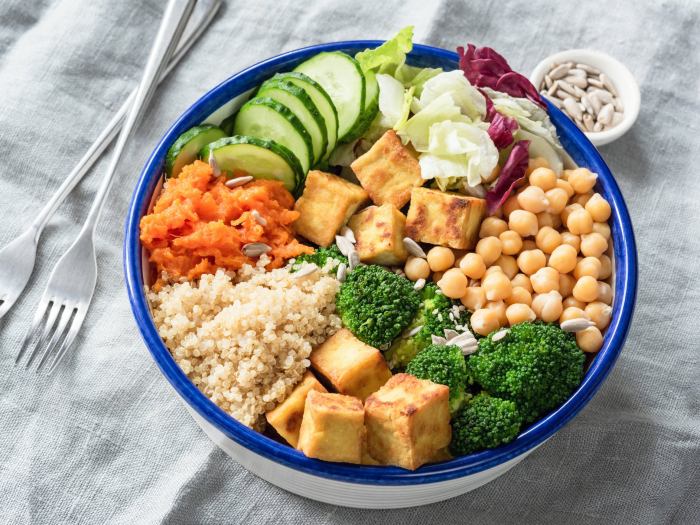
Maintaining quality sleep is crucial for overall well-being, and in a vegetarian lifestyle, diet plays a significant role in promoting good sleep patterns. Certain foods can help relax the body and mind, making it easier to fall asleep and stay asleep throughout the night.
Role of Certain Foods
- Foods rich in tryptophan, such as nuts, seeds, tofu, and bananas, can help promote relaxation and improve sleep quality.
- Herbal teas like chamomile and valerian root have calming properties that can aid in better sleep.
- Avoiding caffeine and spicy foods close to bedtime can also contribute to a more restful night’s sleep.
Creating a Bedtime Routine
- Establishing a consistent sleep schedule can help regulate your body’s internal clock and improve sleep quality.
- Engaging in relaxation techniques like meditation or gentle yoga before bed can signal to your body that it’s time to wind down.
- Avoiding screens and bright lights before bedtime can also help promote melatonin production, a hormone that regulates sleep.
Addressing Sleep Disturbances
- Increasing intake of magnesium-rich foods like leafy greens, whole grains, and legumes can help relax muscles and promote better sleep.
- Including foods high in vitamin B6, such as chickpeas, potatoes, and bananas, can aid in the production of neurotransmitters that regulate sleep.
- Limiting sugar and processed foods in your diet can reduce inflammation and potential disruptions in sleep patterns.
Cardio Health
A balanced vegetarian diet plays a crucial role in promoting cardiovascular health by providing essential nutrients that support heart function and overall well-being.
Role of Fiber, Antioxidants, and Healthy Fats
Fiber, antioxidants, and healthy fats are key components of a heart-healthy vegetarian diet. Fiber helps lower cholesterol levels and maintain a healthy weight, while antioxidants protect against oxidative stress and inflammation. Healthy fats, such as omega-3 fatty acids found in nuts and seeds, can reduce the risk of heart disease by improving cholesterol levels and reducing inflammation.
Importance of Cholesterol Levels and Blood Pressure
Maintaining healthy cholesterol levels and blood pressure is essential for cardiovascular health. A vegetarian diet rich in fruits, vegetables, whole grains, and plant-based proteins can help lower LDL (bad) cholesterol levels and reduce the risk of hypertension, thereby supporting heart health.
Heart-Healthy Recipes
- Quinoa Salad with Roasted Vegetables: Packed with fiber, vitamins, and minerals, this colorful salad is a nutritious and delicious option for supporting heart health.
- Black Bean and Sweet Potato Tacos: These flavorful tacos are high in fiber, protein, and antioxidants, making them a heart-healthy choice for a vegetarian diet.
- Avocado and Chickpea Wrap: Rich in healthy fats and plant-based protein, this satisfying wrap is a great option for maintaining cardiovascular health while enjoying a flavorful meal.
Immune Boost
Consuming a nutrient-rich vegetarian diet plays a crucial role in supporting the immune system. The vitamins, minerals, and phytonutrients found in plant-based foods help enhance immune function and protect the body against illnesses.
Role of Vitamins, Minerals, and Phytonutrients
Essential nutrients like Vitamin C, Vitamin E, Vitamin D, Zinc, and Selenium are known for their immune-boosting properties. These nutrients help in the production of white blood cells, which are key players in the body’s defense system. Phytonutrients, such as flavonoids and carotenoids, also have antioxidant and anti-inflammatory effects that contribute to overall immunity.
Incorporating Immune-Boosting Foods
- Include a variety of colorful fruits and vegetables in your meals to ensure a wide range of nutrients.
- Incorporate plant-based sources of protein like beans, lentils, tofu, and nuts to support immune function.
- Add garlic, ginger, turmeric, and other herbs and spices known for their immune-boosting properties to your dishes.
- Stay hydrated with water, herbal teas, and fresh fruit juices to help flush out toxins and keep your immune system strong.
Lifestyle Factors and Immune Responses
Aside from diet, lifestyle factors like regular exercise, stress management, quality sleep, and proper hydration also play a significant role in strengthening immune responses. Maintaining a healthy lifestyle overall can help optimize your body’s defense mechanisms and keep you resilient against infections.
Positive Mindset
A balanced vegetarian diet plays a crucial role in promoting a positive mindset and emotional balance. The nutrients found in plant-based foods can impact brain function, mood regulation, and overall mental well-being.
Impact of Food Choices on Mood and Cognition
Our food choices can directly influence our mood, cognitive abilities, and emotional well-being. Nutrient-rich foods like fruits, vegetables, whole grains, nuts, and seeds provide essential vitamins, minerals, and antioxidants that support brain health and neurotransmitter function. On the other hand, processed foods, sugary snacks, and high-fat meals can lead to fluctuations in blood sugar levels, affecting mood stability and cognitive performance.
Mindfulness Practices and Gratitude Exercises
Incorporating mindfulness practices and gratitude exercises into daily routines can enhance a positive outlook and mental resilience. Mindfulness meditation, deep breathing exercises, journaling, and practicing gratitude can help reduce stress, improve self-awareness, and foster a sense of calm and contentment.
These practices can complement a balanced vegetarian diet by promoting overall well-being and emotional balance.
Tips for Fostering Resilience and Mental Strength
- Prioritize whole, nutrient-dense foods like leafy greens, berries, legumes, and whole grains to support brain health and cognitive function.
- Stay hydrated throughout the day to maintain optimal brain function and mood regulation.
- Incorporate regular physical activity into your routine to boost endorphin levels and reduce stress.
- Practice stress management techniques such as yoga, meditation, or deep breathing exercises to enhance emotional well-being.
- Get an adequate amount of quality sleep to support cognitive function, memory consolidation, and mood stability.
Clean Eating
Clean eating, in the context of a nutrient-rich vegetarian diet, refers to consuming whole foods that are minimally processed and free from additives. This approach focuses on nourishing the body with natural, nutrient-dense ingredients to support overall health and well-being.
Benefits of Clean Eating
- Improved nutrient intake: Whole foods are rich in essential vitamins, minerals, and antioxidants, providing the body with the necessary nutrients for optimal function.
- Weight management: Clean eating emphasizes the consumption of unprocessed foods, which can help regulate appetite and support healthy weight maintenance.
- Enhanced energy levels: By fueling the body with nutrient-dense foods, clean eating can boost energy levels and improve overall vitality.
- Reduced risk of chronic diseases: Whole, unprocessed foods have been linked to a lower risk of developing chronic conditions such as heart disease, diabetes, and certain cancers.
Tips for Clean Eating
- Read food labels carefully to identify hidden additives, sugars, and unhealthy fats in processed products.
- Choose organic produce whenever possible to minimize exposure to pesticides and other harmful chemicals.
- Avoid packaged foods with long ingredient lists or artificial additives, opting instead for whole, single-ingredient foods.
Clean Eating Meal Plans and Recipes
| Meal Plan | Recipes |
|---|---|
| Breakfast | Quinoa Breakfast Bowl with Fresh Berries and Almond Butter |
| Lunch | Chickpea Avocado Salad with Lemon-Tahini Dressing |
| Dinner | Vegetable Stir-Fry with Tofu and Brown Rice |
Daily Activity
Regular physical activity is a crucial component that complements a balanced and nutrient-rich vegetarian diet. Incorporating movement into daily routines is essential for overall health as it helps maintain a healthy weight, improves cardiovascular health, enhances mood, and boosts energy levels.
Importance of Daily Physical Activity
- Regular physical activity supports weight management by burning calories and increasing metabolism.
- Exercise helps strengthen the heart and improve circulation, reducing the risk of heart disease.
- Moving your body releases endorphins, which can reduce stress, anxiety, and symptoms of depression.
- Staying active increases energy levels and improves overall quality of life.
Tips for Staying Active
- Take short walks during breaks at work or home to increase daily steps.
- Incorporate stretching exercises or yoga into your morning routine to improve flexibility and reduce muscle tension.
- Use stairs instead of elevators whenever possible to sneak in extra physical activity.
- Set aside time for a dedicated workout session, even if it’s just 15-30 minutes, to prioritize your health.
Simple Exercises and Stretches
- Bodyweight exercises like squats, lunges, push-ups, and planks can be done at home without any equipment.
- Yoga poses such as downward dog, warrior I, and child’s pose help improve flexibility and strength.
- Stretching exercises for the neck, shoulders, back, and legs can relieve tension and prevent stiffness.
- Dancing to your favorite music or following online workout videos adds fun and variety to your daily exercise routine.
Holistic Health
Holistic health is the concept that focuses on the interconnectedness of physical, mental, emotional, and spiritual well-being to achieve overall health and wellness. When following a vegetarian lifestyle, individuals often prioritize whole, nutrient-rich foods that support their holistic health goals.
Cultivating a Holistic Approach to Health
Embracing a holistic approach to health involves taking care of all aspects of your well-being, not just focusing on one area. Here are some tips on how to cultivate holistic health through diet, exercise, and self-care:
- Eat a variety of plant-based foods to ensure you are getting all the essential nutrients your body needs.
- Incorporate regular physical activity into your routine to improve cardiovascular health and overall fitness.
- Practice mindfulness and meditation to reduce stress, improve mental clarity, and enhance emotional well-being.
- Engage in activities that bring you joy and fulfillment, such as spending time in nature, pursuing hobbies, or connecting with loved ones.
Contributions to Holistic Well-Being
Mindfulness, spirituality, and community engagement play crucial roles in promoting holistic well-being. These aspects can help individuals foster a sense of connection, purpose, and balance in their lives. Here are some insights on how these factors contribute to holistic health:
- Mindfulness:Being present in the moment can reduce anxiety, enhance focus, and improve overall mental well-being.
- Spirituality:Connecting with your spiritual beliefs and practices can provide a sense of meaning, hope, and comfort in challenging times.
- Community Engagement:Building strong relationships and a support network can promote feelings of belonging, reduce feelings of isolation, and boost overall happiness.
Mindful Living
Mindful living is the practice of being fully present and aware of your thoughts, feelings, and actions in the present moment. When it comes to maintaining a balanced vegetarian diet, being mindful can play a crucial role in making conscious food choices and developing healthy eating habits.
Benefits of Mindfulness for Food Choices
- Enhances awareness of hunger and satiety cues, leading to better portion control and reduced overeating.
- Helps in recognizing emotional triggers for unhealthy eating habits and finding alternative coping mechanisms.
- Promotes appreciation for food, leading to a more enjoyable eating experience and better digestion.
- Encourages mindful eating practices that can aid in weight management and overall well-being.
Tips for Mindful Eating
- Savor the flavors and textures of your food by eating slowly and chewing thoroughly.
- Avoid distractions such as watching TV or scrolling through your phone while eating to focus on your meal.
- Listen to your body’s hunger and fullness signals to eat when you’re truly hungry and stop when you’re satisfied.
- Practice gratitude for the nourishment your food provides and the effort put into preparing it.
Incorporating Mindfulness into Meal Preparation
- Engage all your senses while cooking, from smelling herbs to feeling textures, to fully appreciate the process.
- Avoid multitasking and dedicate your attention to the task at hand, whether chopping vegetables or stirring a pot.
- Express gratitude for the ingredients you’re using and the nourishment they will provide to your body.
Emotional Balance
Maintaining emotional balance is essential for overall mental well-being, and diet plays a crucial role in achieving this equilibrium in a vegetarian lifestyle. The food choices we make can directly impact the production and regulation of neurotransmitters like serotonin and dopamine, which are closely linked to our mood and emotions.
Impact of Diet on Emotional Balance
A diet rich in whole grains, fruits, vegetables, legumes, nuts, and seeds provides the necessary nutrients for optimal brain function and emotional well-being. These plant-based foods are packed with vitamins, minerals, and antioxidants that support neurotransmitter synthesis and promote a stable mood.
- Include Omega-3 fatty acids: Foods like flaxseeds, chia seeds, walnuts, and algae-based supplements are rich in Omega-3 fatty acids, which have been linked to improved mood and reduced risk of depression.
- Eat Probiotic-Rich Foods: Fermented foods like yogurt, kefir, sauerkraut, and kimchi promote a healthy gut microbiome, which in turn influences brain function and emotional balance.
- Limit Refined Sugars and Processed Foods: Excessive consumption of sugary and processed foods can lead to fluctuations in blood sugar levels, affecting mood stability and increasing the risk of anxiety and depression.
Connection Between Gut Health, Brain Function, and Emotional Balance
The gut-brain axis is a complex communication network that links the gut microbiota to brain function and emotional well-being. A diverse and balanced gut microbiome supports the production of neurotransmitters and reduces inflammation, contributing to better mental health.
Remember, a well-nourished body leads to a well-nourished mind.
Health Education
Health education plays a crucial role in promoting a balanced and nutrient-rich vegetarian diet. By understanding the principles of nutrition, cooking skills, and meal planning, individuals can make informed choices that support their overall health and well-being.
Importance of Nutrition Knowledge
- Having a good grasp of nutrition helps individuals in selecting the right foods to meet their dietary needs.
- Understanding the nutritional content of different foods enables individuals to create well-rounded vegetarian meals.
- Proper nutrition knowledge can help prevent deficiencies and promote optimal health.
Benefits of Cooking Skills
- Being proficient in cooking allows individuals to prepare delicious and nutritious vegetarian meals at home.
- Cooking skills empower individuals to experiment with various ingredients and flavors, making mealtime enjoyable and satisfying.
- Homemade meals are often healthier and more cost-effective than dining out, promoting better overall health.
Importance of Meal Planning
- Meal planning helps individuals ensure they are consuming a balanced diet with all the necessary nutrients.
- Planning meals in advance can save time, reduce food waste, and support healthy eating habits.
- Well-thought-out meal plans can help individuals stay on track with their health goals and maintain a nutrient-rich vegetarian diet.
Resources for Vegetarian Nutrition
- Books like “Becoming Vegetarian” by Vesanto Melina and Brenda Davis provide comprehensive information on plant-based nutrition.
- Websites like Vegetarian Nutrition (vegetariannutrition.net) offer evidence-based resources and articles on vegetarian diets.
- Courses on platforms like Coursera and Udemy provide in-depth knowledge on vegetarian nutrition and meal planning.
Staying Informed on Plant-Based Nutrition
- Follow reputable nutritionists and dietitians on social media for updates on plant-based nutrition research and trends.
- Subscribe to newsletters from nutrition organizations and websites to receive the latest information on vegetarian diets.
- Attend webinars and workshops focused on plant-based nutrition to stay up-to-date with developments in the field.
Self-Care
Self-care practices play a crucial role in supporting a healthy vegetarian lifestyle by focusing on overall well-being and promoting mental and emotional health. Taking time for rest, relaxation, and stress management is essential to maintain balance in a busy world.
Importance of Rest, Relaxation, and Stress Management
Rest, relaxation, and stress management are vital components of self-care that contribute to overall well-being. Adequate rest allows the body to recharge and repair, while relaxation techniques help reduce stress levels and promote mental clarity. Managing stress is crucial as chronic stress can negatively impact physical health and weaken the immune system.
Self-Care Routines
- Engage in meditation practices to calm the mind, reduce anxiety, and increase mindfulness.
- Practice yoga to improve flexibility, strength, and promote relaxation through breathwork.
- Cultivate hobbies that bring joy and relaxation, such as painting, gardening, or reading.
Setting Boundaries, Practicing Gratitude, and Prioritizing Mental and Emotional Health
Setting boundaries is essential for maintaining a healthy balance in life and preventing burnout. Practicing gratitude helps shift focus towards positivity and promotes emotional well-being. Prioritizing mental and emotional health involves seeking support when needed, whether through therapy, counseling, or talking to loved ones.
Chronic Disease
Chronic diseases are long-lasting conditions that often develop over time and can significantly impact a person’s quality of life. Adopting a balanced vegetarian diet can play a crucial role in both preventing and managing chronic diseases by providing essential nutrients and supporting overall health.
Impact of Balanced Vegetarian Diet
A balanced vegetarian diet rich in fruits, vegetables, whole grains, nuts, seeds, and legumes can help reduce the risk of chronic diseases such as diabetes, heart disease, and obesity. These plant-based foods are packed with vitamins, minerals, antioxidants, and fiber that support immune function, reduce inflammation, and promote heart health.
- Vegetarian diets have been linked to lower rates of hypertension, high cholesterol, and type 2 diabetes due to their nutrient-dense and low saturated fat content.
- By incorporating a variety of plant-based foods, individuals can lower their risk of developing chronic conditions and better manage existing health issues.
Role of Inflammation and Oxidative Stress
Inflammation and oxidative stress are key factors in the development of chronic diseases. A vegetarian diet rich in anti-inflammatory foods such as leafy greens, berries, and nuts can help reduce inflammation and oxidative damage in the body, thus lowering the risk of conditions like heart disease and cancer.
- Consuming omega-3 fatty acids found in walnuts, flaxseeds, and chia seeds can help combat inflammation and protect against chronic diseases.
- A diet high in antioxidants from colorful fruits and vegetables can neutralize free radicals, reducing oxidative stress and supporting overall health.
Specific Nutrients and Dietary Patterns
Certain nutrients and dietary patterns have been shown to support the prevention and treatment of chronic illnesses. For example, a plant-based diet high in fiber, vitamins C and E, magnesium, and potassium can help regulate blood sugar levels, improve heart health, and maintain a healthy weight.
“Eating a variety of plant-based foods ensures that you get a wide range of nutrients that are essential for preventing chronic diseases.”
- Following a Mediterranean-style vegetarian diet, which includes plenty of olive oil, whole grains, nuts, and vegetables, has been associated with a reduced risk of heart disease and improved cardiovascular health.
- Including probiotic-rich foods like yogurt and fermented vegetables can support gut health and boost immunity, reducing the risk of inflammatory conditions.
Last Point
In conclusion, embracing a balanced and nutrient-rich vegetarian diet opens doors to a world of health benefits, from improved mental wellness to enhanced physical fitness. By incorporating these practices into your daily routine, you pave the way for a vibrant and fulfilling life.
FAQ Compilation
How can I ensure I’m getting enough protein on a vegetarian diet?
To meet your protein needs, include sources like beans, lentils, tofu, quinoa, and nuts in your meals.
Are there any specific vitamins vegetarians should pay extra attention to?
Vitamin B12, iron, and omega-3 fatty acids are nutrients that vegetarians may need to monitor and consider supplementation if necessary.
Can children follow a vegetarian diet safely?
Yes, with proper planning to ensure they receive adequate nutrients, children can thrive on a well-balanced vegetarian diet.


