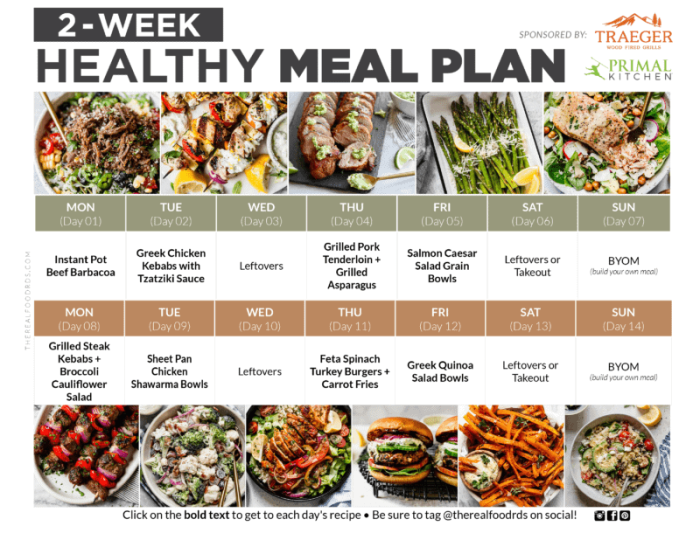
How to create a healthy meal plan for the week sets the foundation for a balanced lifestyle, encompassing everything from nutrition to mental well-being and physical fitness. Dive into the intricacies of meal planning and embark on a journey to nurture your body and mind.
This guide will walk you through the essentials of crafting a meal plan that not only fuels your body but also supports your overall well-being. From understanding the importance of nutrient-rich foods to incorporating stress-busting elements, this comprehensive approach will revolutionize your approach to meal planning.
Balanced Diet
A balanced diet is crucial in a healthy meal plan as it ensures that your body receives all the essential nutrients it needs to function properly. By including a variety of food groups in your meals, you can maintain good health, support your immune system, and prevent nutritional deficiencies.
Food Groups in a Balanced Diet
When planning your meals, it is important to include the following food groups:
- Vegetables: rich in vitamins, minerals, and fiber
- Fruits: provide essential vitamins and antioxidants
- Proteins: such as lean meats, poultry, fish, beans, and nuts
- Whole grains: a good source of carbohydrates, fiber, and B vitamins
- Dairy or dairy alternatives: for calcium and vitamin D
Ensuring Nutrient Variety
To ensure you are getting a variety of nutrients in each meal, try to include different colors of fruits and vegetables, opt for whole grains over refined grains, and choose lean protein sources. Incorporating a mix of food groups in your meals can help you achieve a well-rounded diet.
Portion Control Tips
When it comes to portion control for a balanced diet, consider using smaller plates to help with portion sizes, measuring out servings of grains and proteins, and filling half your plate with vegetables. Being mindful of portion sizes can help prevent overeating and support weight management.
Mental Wellness
Eating a healthy meal plan not only benefits your physical health but also plays a crucial role in supporting your mental wellness. The foods you consume can have a direct impact on your mood, energy levels, and mental clarity. By incorporating brain-boosting foods into your meal plan and practicing mindfulness in your eating habits, you can enhance your overall mental well-being.
Impact of Foods on Mood and Mental Clarity
Certain foods can influence neurotransmitters in the brain, affecting your mood and cognitive function. For example, omega-3 fatty acids found in fish like salmon and walnuts are known to support brain health and improve mood. On the other hand, processed foods high in sugar and unhealthy fats can lead to inflammation in the body, negatively impacting mental clarity and overall well-being.
Strategies for Brain-Boosting Foods
- Include a variety of colorful fruits and vegetables rich in antioxidants to protect brain cells from damage.
- Opt for whole grains like quinoa and brown rice to provide a steady source of energy for optimal brain function.
- Incorporate lean proteins such as poultry, eggs, and legumes to support neurotransmitter production and cognitive health.
- Add nuts and seeds like almonds and flaxseeds for essential nutrients like vitamin E and omega-3 fatty acids, which are beneficial for brain health.
Role of Mindfulness in Eating Habits
Practicing mindfulness during meals involves being present and aware of your eating experience. By focusing on the taste, texture, and aroma of your food, you can cultivate a healthier relationship with eating and better regulate your hunger cues. Mindful eating can help reduce stress, improve digestion, and enhance overall mental well-being by promoting a more balanced and intentional approach to nourishing your body.
Physical Fitness
Maintaining a healthy meal plan is crucial for supporting your physical fitness goals. The food you eat provides the energy and nutrients needed for optimal performance during workouts and aids in muscle recovery post-exercise.
Importance of Pre- and Post-Workout Nutrition
Pre-workout meals should consist of complex carbohydrates and lean proteins to fuel your workout and enhance endurance. Post-workout nutrition is essential for muscle recovery and should include a combination of protein and carbohydrates to replenish glycogen stores and repair muscle tissue.
Meals to Enhance Energy Levels
Breakfast
Overnight oats with Greek yogurt, berries, and a sprinkle of nuts provide a balance of carbohydrates, protein, and healthy fats for sustained energy.
Lunch
Grilled chicken quinoa salad with avocado and mixed greens offers a nutrient-dense meal with lean protein, whole grains, and essential vitamins and minerals.
Snack
Apple slices with almond butter or a protein smoothie with banana and spinach can be great options for a quick energy boost before a workout.
Dinner
Baked salmon with sweet potato and steamed vegetables is a well-rounded meal rich in omega-3 fatty acids, complex carbohydrates, and fiber.
Combining Nutrition and Exercise
To maximize your fitness results, aim to consume a balanced meal 2-3 hours before a workout and refuel with a snack or meal within 30 minutes post-exercise. Stay hydrated throughout the day and consider incorporating a mix of cardiovascular exercise, strength training, and flexibility exercises into your routine for overall fitness benefits.
Adequate Hydration
Staying hydrated is a crucial component of a healthy meal plan as it plays a vital role in overall well-being. Adequate hydration helps in maintaining proper bodily functions, supporting digestion, regulating body temperature, and aiding in nutrient absorption.
Benefits of Water Intake
- Water helps in flushing out toxins from the body and promoting healthy skin.
- Proper hydration improves cognitive function and concentration levels.
- Drinking enough water can help in weight management by reducing cravings and boosting metabolism.
Creative Ways to Incorporate Hydration into Meals
- Add sliced fruits like cucumbers, oranges, or berries to your water for a refreshing twist.
- Incorporate hydrating foods like watermelon, celery, and spinach into your meals and snacks.
- Opt for hydrating beverages like herbal teas, coconut water, or infused water instead of sugary drinks.
Tips for Tracking Daily Water Consumption
- Carry a reusable water bottle with you throughout the day to ensure easy access to water.
- Use mobile apps or journals to track your daily water intake and set reminders to drink water regularly.
- Calculate the amount of water you need based on your body weight and activity level to establish a daily goal.
Regular Exercise
Regular exercise is a crucial component of a healthy lifestyle, working in synergy with a well-balanced meal plan to promote overall wellness. When creating a meal plan, it is essential to align it with your exercise routine to ensure optimal performance and results.
Timing of Meals
When planning your meals, consider the timing in relation to your exercise sessions. It is generally recommended to have a balanced meal 2-3 hours before a workout to provide the necessary energy and nutrients for optimal performance. After exercising, aim to refuel within 30 minutes to an hour with a combination of protein and carbohydrates to support muscle recovery and replenish glycogen stores.
- Pre-exercise meal ideas: A small serving of oatmeal with fruits, a smoothie with protein powder, or a slice of whole grain toast with nut butter.
- Post-exercise meal ideas: Grilled chicken with quinoa and roasted vegetables, a turkey and avocado wrap, or a protein shake with banana.
Snacks for Fuel
In addition to well-timed meals, incorporating snacks into your routine can help sustain energy levels and support your workouts. Opt for snacks that are rich in carbohydrates for quick energy, along with some protein to keep you satisfied.
- Fruit and nut butter, such as apple slices with almond butter
- Greek yogurt with berries and a drizzle of honey
- Whole grain crackers with hummus
Healthy Lifestyle
Maintaining a healthy lifestyle goes beyond just eating well and exercising. It encompasses various aspects of our daily habits, including meal planning and preparation.Meal planning plays a crucial role in promoting a healthy lifestyle as it allows individuals to make conscious choices about the food they consume.
By creating a meal plan for the week, you not only ensure that you are eating nutritious meals but also save time and effort during busy days.
Impact of Consistent Eating Habits
Consistent eating habits have a significant impact on long-term health. By sticking to a well-balanced meal plan, you provide your body with the necessary nutrients it needs to function properly. This can help prevent chronic diseases, maintain a healthy weight, and boost overall well-being.
- Ensure to include a variety of fruits, vegetables, whole grains, lean proteins, and healthy fats in your meal plan.
- Avoid processed foods, sugary snacks, and excessive amounts of sodium and saturated fats.
- Stay hydrated by drinking an adequate amount of water throughout the day.
Tips for Meal Prepping
Meal prepping is a great way to stay on track with your healthy eating goals. Here are some tips to help you plan ahead for a healthier lifestyle:
- Set aside time each week to plan your meals and snacks.
- Choose recipes that are simple, nutritious, and can be prepared in advance.
- Invest in quality food storage containers to keep your prepped meals fresh.
- Include a mix of flavors and textures to keep your meals interesting and satisfying.
Maintaining Balance and Flexibility
While it’s important to follow a healthy meal plan, it’s also crucial to maintain balance and flexibility. Allow yourself to indulge in your favorite treats occasionally and listen to your body’s hunger cues. Here’s how you can achieve balance in your meal plan:
- Practice mindful eating by savoring each bite and paying attention to your body’s hunger and fullness signals.
- Don’t restrict yourself too much, as it can lead to feelings of deprivation and binge eating.
- Adjust your meal plan based on your energy levels, activity levels, and personal preferences.
Nutrient-Rich
Eating a variety of foods that are rich in essential nutrients is crucial for maintaining overall health and well-being. Nutrient-rich foods provide the body with the necessary vitamins, minerals, and other compounds needed for optimal functioning.
List of Nutrient-Dense Foods
- Leafy green vegetables such as spinach, kale, and collard greens
- Fatty fish like salmon, mackerel, and sardines for omega-3 fatty acids
- Lean protein sources such as chicken breast, tofu, and legumes
- Whole grains like quinoa, brown rice, and oats for fiber and complex carbohydrates
- Fruits such as berries, oranges, and apples for vitamins and antioxidants
Optimizing Nutrient Absorption
Combining certain foods can enhance the absorption of nutrients. For example, pairing vitamin C-rich foods with iron-rich foods can improve iron absorption. Additionally, including healthy fats like avocado or nuts can help with the absorption of fat-soluble vitamins.
Avoiding Processed Foods
Processed foods are often stripped of essential nutrients and loaded with unhealthy additives. Opt for whole, nutrient-rich options like fresh fruits and vegetables, whole grains, lean proteins, and healthy fats to ensure you are getting the most out of your meals.
Stress Management
Managing stress is crucial for overall well-being, and a healthy meal plan plays a significant role in this aspect.
Foods to Combat Stress and Anxiety
Certain foods can help combat stress and anxiety by regulating the production of stress hormones and promoting a sense of calm.
- Include foods rich in omega-3 fatty acids, such as salmon, walnuts, and chia seeds, which have been shown to reduce anxiety levels.
- Dark chocolate, in moderation, can help reduce stress hormones in the body.
- Foods high in magnesium, like leafy greens, nuts, and seeds, can help relax muscles and improve mood.
Relaxation Techniques during Mealtime
Incorporating relaxation techniques during mealtime can aid in stress relief and digestion.
- Practice mindful eating by focusing on the flavors, textures, and aromas of your food without distractions.
- Take deep breaths before and during meals to promote relaxation and reduce stress levels.
- Engage in light stretching or gentle movements before or after meals to help release tension in the body.
Stress-Busting Foods to Include in Your Meal Plan
When creating your meal plan, consider incorporating these stress-busting foods to support your mental well-being.
- Leafy greens like spinach and kale are rich in folate, which may help regulate mood and reduce symptoms of anxiety.
- Berries, especially blueberries, are packed with antioxidants that can combat oxidative stress and protect the brain from stress-related damage.
- Whole grains like quinoa and brown rice can help stabilize blood sugar levels and prevent mood swings associated with stress.
Preventive Care
Eating a healthy meal plan plays a crucial role in preventive care by providing the body with essential nutrients to support overall health and well-being. A well-balanced diet can help reduce the risk of chronic diseases and promote a strong immune system.
Role of Antioxidants and Phytonutrients
Antioxidants and phytonutrients found in fruits, vegetables, nuts, and seeds are powerful compounds that help reduce inflammation and oxidative stress in the body. By incorporating these foods into your meal plan, you can lower the risk of developing conditions like heart disease, cancer, and diabetes.
- Include a variety of colorful fruits and vegetables in your meals to maximize the intake of antioxidants.
- Opt for whole grains, legumes, and nuts that are rich in phytonutrients to boost your immune system.
- Experiment with herbs and spices like turmeric, ginger, and garlic, known for their anti-inflammatory properties.
Incorporating Immune-Boosting Foods
Boosting your immune system through your diet is essential for preventive care. Certain foods can help strengthen your body’s defense mechanisms and protect against illnesses.
- Include foods rich in vitamin C, such as citrus fruits, bell peppers, and leafy greens, to enhance immune function.
- Incorporate probiotic-rich foods like yogurt, kefir, and sauerkraut to support gut health and immunity.
- Don’t forget to add zinc sources like seafood, poultry, and beans, which play a vital role in immune response.
Using Food as Preventive Medicine
Food can be a powerful form of preventive medicine when chosen wisely. By selecting nutrient-dense and whole foods, you can nourish your body and reduce the risk of developing chronic conditions.
- Focus on incorporating a variety of fruits, vegetables, whole grains, lean proteins, and healthy fats into your meals.
- Avoid processed foods high in sugar, unhealthy fats, and artificial additives that can contribute to inflammation and disease.
- Be mindful of portion sizes and listen to your body’s hunger and fullness cues to maintain a healthy weight and prevent overeating.
Proper Nutrition
Proper nutrition is essential for creating a healthy meal plan as it provides the necessary nutrients for overall well-being. Understanding the fundamentals of nutrition, including macronutrients and micronutrients, is crucial for designing a balanced diet.
Importance of Macronutrients and Micronutrients
- Macronutrients, such as carbohydrates, proteins, and fats, are needed in large amounts and provide energy to the body.
- Micronutrients, including vitamins and minerals, are required in smaller quantities but are essential for various bodily functions.
- Each meal should include a balance of macronutrients and micronutrients to support overall health and prevent deficiencies.
Calorie Needs Calculation
Calories needed = Basal Metabolic Rate (BMR) x Activity Level
- Calculate your Basal Metabolic Rate (BMR) using an online calculator based on factors like age, weight, height, and gender.
- Determine your activity level (sedentary, moderate, active) to adjust calorie needs accordingly.
- Consult a nutritionist or dietitian for personalized guidance on calorie requirements based on individual factors.
Adjusting Meal Plan Based on Nutritional Goals
- Set specific nutritional goals, such as weight loss, muscle gain, or improved energy levels, to tailor your meal plan accordingly.
- Increase protein intake for muscle building, include more fiber-rich foods for weight management, and limit added sugars and processed foods for overall health.
- Track your progress and make adjustments to your meal plan as needed to ensure you are meeting your nutritional goals.
Quality Sleep
Having a healthy meal plan can significantly impact the quality of your sleep. The foods you eat can influence your sleep patterns and overall restfulness. Establishing a bedtime routine that complements your meal plan can further enhance the quality of your sleep.
Additionally, consuming certain foods as evening snacks can support restful sleep by promoting relaxation and regulating circadian rhythms.
Foods that Promote Better Sleep and Regulate Circadian Rhythms
- Cherries: Rich in melatonin, a hormone that regulates sleep-wake cycles.
- Almonds: Good source of magnesium, which can help relax muscles and promote sleep.
- Fatty fish: High in omega-3 fatty acids, linked to improved sleep quality.
- Whole grains: Provide complex carbohydrates that can aid in the production of serotonin, promoting relaxation.
Tips for Establishing a Bedtime Routine
- Set a consistent sleep schedule and stick to it every day, even on weekends.
- Avoid heavy meals close to bedtime and opt for light snacks that promote relaxation.
- Create a calming bedtime routine, such as reading a book or taking a warm bath, to signal to your body that it’s time to sleep.
- Avoid screens and bright lights before bed, as they can interfere with the production of melatonin.
Evening Snacks for Restful Sleep
- Warm milk with a sprinkle of cinnamon: Milk contains tryptophan, which can promote sleep, and cinnamon has calming properties.
- Greek yogurt with honey: Provides a combination of protein and carbohydrates that can help regulate blood sugar levels during the night.
- A small banana with a handful of nuts: Bananas contain magnesium and potassium, which can relax muscles, while nuts provide a healthy source of fats and protein.
- Herbal tea, such as chamomile or valerian root: Known for their calming effects and ability to promote relaxation before bed.
Cardio Health
A healthy meal plan plays a crucial role in supporting cardiovascular health by providing essential nutrients that help maintain heart function and reduce the risk of heart disease.
Role of Heart-Healthy Foods
- Include foods rich in omega-3 fatty acids like salmon, flaxseeds, and walnuts to lower inflammation and reduce the risk of heart disease.
- Opt for whole grains, fruits, vegetables, and legumes to provide fiber, vitamins, and minerals that support heart health.
- Limit saturated and trans fats found in processed foods, fried foods, and baked goods to maintain healthy cholesterol levels.
Tips for Reducing Cholesterol and Improving Heart Function
- Choose lean proteins like poultry, fish, and plant-based sources to reduce saturated fat intake.
- Incorporate foods high in antioxidants such as berries, dark chocolate, and leafy greens to protect the heart from oxidative stress.
- Use olive oil or avocado instead of butter or margarine to promote heart-healthy monounsaturated fats.
Meals for Cardiovascular Wellness
| Meal | Ingredients |
|---|---|
| Grilled Salmon with Quinoa and Roasted Vegetables | Salmon fillet, quinoa, bell peppers, zucchini, olive oil, herbs and spices |
| Vegetable Stir-Fry with Tofu and Brown Rice | Tofu, broccoli, carrots, snap peas, brown rice, soy sauce, ginger, garlic |
| Spinach and Berry Smoothie Bowl | Spinach, mixed berries, banana, almond milk, chia seeds, granola |
Immune Boost
Having a healthy meal plan is essential for boosting the immune system. Proper nutrition plays a significant role in supporting the body’s defense mechanisms and overall health.
The Importance of Vitamins and Minerals in Immune Function
Vitamins and minerals are crucial for a well-functioning immune system. They help in the production of immune cells, antibodies, and enzymes that combat harmful pathogens and infections.
- Vitamin C: Known for its immune-boosting properties, vitamin C helps stimulate the production of white blood cells and antibodies.
- Vitamin D: Supports immune function and helps regulate the body’s inflammatory response.
- Zinc: Essential for immune cell development and function, zinc helps fight off viruses and bacteria.
Immunity-Boosting Foods to Include in the Weekly Plan
Include these nutrient-rich foods in your meal plan to enhance your immune system:
- Citrus Fruits: High in vitamin C, citrus fruits like oranges, lemons, and grapefruits can help strengthen immunity.
- Leafy Greens: Spinach, kale, and other leafy greens are packed with vitamins and antioxidants that support immune health.
- Berries: Blueberries, strawberries, and raspberries are rich in antioxidants that help protect cells from damage.
- Nuts and Seeds: Almonds, sunflower seeds, and pumpkin seeds contain essential nutrients like vitamin E and zinc for immune support.
Tips for Maintaining a Strong Immune System through Nutrition, How to create a healthy meal plan for the week
Here are some tips to help you maintain a robust immune system through your diet:
- Stay Hydrated: Drink plenty of water throughout the day to support immune function.
- Limit Processed Foods: Minimize the intake of processed foods high in sugar, salt, and unhealthy fats.
- Include Probiotics: Foods like yogurt, kefir, and sauerkraut can help promote a healthy gut microbiome, which is essential for immune health.
- Balance Your Plate: Aim for a variety of fruits, vegetables, whole grains, lean proteins, and healthy fats in your meals for a well-rounded nutrient intake.
Positive Mindset
Maintaining a positive mindset is crucial for overall well-being, and a healthy meal plan plays a significant role in fostering this positive outlook. The connection between food choices and mental well-being is undeniable, as the nutrients we consume directly impact our brain function and mood.
By prioritizing nutrient-rich foods in our meal planning, we can support our mental health and emotional resilience.
Fostering a Positive Relationship with Food
- Practice mindful eating: Pay attention to the textures, flavors, and aromas of your food to fully appreciate and savor each bite.
- Avoid labeling foods as “good” or “bad”: Instead, view food as nourishment for your body and mind, without assigning moral value.
- Cultivate self-compassion: Be kind to yourself and practice forgiveness if you veer off track from your meal plan. Remember, balance is key.
- Engage in cooking and meal preparation: Getting involved in the process of creating your meals can deepen your appreciation for food and enhance your connection to what you eat.
Promoting Optimistic Outlook on Health
- Set realistic goals: Establish achievable objectives related to your meal planning and health journey to maintain a positive and motivated mindset.
- Celebrate small victories: Acknowledge and celebrate your progress, no matter how minor, to stay motivated and optimistic about your health goals.
- Practice gratitude: Express gratitude for the nourishing foods that support your well-being and the positive changes you experience as a result of your meal planning efforts.
- Stay mindful of your thoughts: Challenge negative beliefs or self-talk related to food and health, and replace them with positive affirmations to cultivate a more optimistic mindset.
Clean Eating

Clean eating is an essential aspect of a healthy meal plan as it focuses on consuming whole, unprocessed foods that are free from additives, preservatives, and artificial ingredients.
Benefits of Whole, Unprocessed Foods
- Rich in nutrients: Whole foods are packed with essential vitamins, minerals, and antioxidants that nourish the body.
- Improved digestion: Unprocessed foods contain high fiber content, promoting better digestion and gut health.
- Weight management: Whole foods are filling and lower in calories, aiding in weight loss and maintenance.
Tips for Avoiding Additives and Preservatives
- Read labels carefully: Avoid products with long lists of ingredients or chemical names.
- Choose fresh produce: Opt for fruits, vegetables, and whole grains over packaged and processed foods.
- Cook from scratch: Prepare meals at home using fresh ingredients to control what goes into your food.
Examples of Clean Eating Recipes
| Breakfast | Lunch | Dinner |
|---|---|---|
| Quinoa Breakfast Bowl with Fresh Berries | Grilled Chicken Salad with Avocado Dressing | Baked Salmon with Roasted Vegetables |
| Chia Seed Pudding with Almond Butter | Vegetable Stir-Fry with Brown Rice | Vegetarian Chili with Quinoa |
Daily Activity
Regular physical activity is a crucial component of a healthy lifestyle, working hand in hand with a nutritious meal plan to promote overall well-being. By incorporating daily movement into your routine, you can enhance the benefits of proper nutrition and improve your physical and mental health.
Importance of Daily Activity
- Regular physical activity helps boost metabolism and aids in weight management, complementing the effects of a balanced diet.
- Exercise improves cardiovascular health, strengthens muscles, and enhances flexibility, contributing to overall physical fitness.
- Moving your body daily releases endorphins, reducing stress levels and promoting mental wellness.
Ideas for Incorporating Movement
- Take short walks or stretch breaks throughout the day to break up long periods of sitting.
- Engage in activities you enjoy, such as dancing, swimming, or biking, to make exercise more enjoyable and sustainable.
- Incorporate strength training exercises, like bodyweight workouts or resistance band exercises, to build muscle and increase metabolism.
Tips for Staying Active and Energized
- Stay hydrated throughout the day to support your energy levels and exercise performance.
- Choose whole, nutrient-dense foods to fuel your body and optimize your workouts.
- Set realistic goals and create a workout schedule to stay motivated and accountable.
Holistic Health
When it comes to creating a healthy meal plan for the week, taking a holistic approach to health is essential. This means considering not just physical well-being, but also mental, emotional, and spiritual aspects of health.
Interconnectedness of Health
A holistic approach recognizes that physical, mental, and emotional well-being are interconnected. What you eat can impact your mood, energy levels, and overall health. Therefore, a meal plan should aim to nourish all aspects of your well-being.
Tips for Holistic Nutrition
- Include a variety of nutrient-dense foods in your meals to support overall health.
- Focus on whole foods such as fruits, vegetables, whole grains, lean proteins, and healthy fats.
- Aim for balance and moderation in your diet to ensure you are meeting your body’s needs.
- Stay hydrated by drinking plenty of water throughout the day.
- Avoid processed foods, excess sugar, and unhealthy fats that can negatively impact your health.
Nourishing Meals for Body, Mind, and Spirit
Here are some examples of meals that can nourish not just your body, but also your mind and spirit:
| Meal | Components |
|---|---|
| Grilled Salmon with Quinoa and Roasted Vegetables | Omega-3 fatty acids from salmon, protein from quinoa, and a variety of nutrients from vegetables. |
| Vegetarian Buddha Bowl | A colorful mix of vegetables, whole grains, and plant-based proteins for a well-rounded meal. |
| Greek Yogurt Parfait with Fresh Berries and Granola | Probiotics from yogurt, antioxidants from berries, and fiber from granola for a satisfying and nutritious breakfast or snack. |
Mindful Living
Mindful living plays a crucial role in creating a healthy meal plan as it involves being present and aware of your food choices. By practicing mindfulness, you can make more conscious decisions about what you eat, leading to a more balanced and nutritious diet.
Mindful Eating Practices
- Avoid distractions while eating, such as watching TV or using your phone, to fully focus on the meal in front of you.
- Take time to appreciate the colors, textures, and flavors of your food, engaging all senses in the dining experience.
- Chew your food slowly and savor each bite, allowing your body to properly digest and absorb nutrients.
- Listen to your body’s hunger and fullness cues to avoid overeating and promote better portion control.
Benefits of Mindful Living
- Improved digestion and nutrient absorption due to slower, more intentional eating habits.
- Enhanced satisfaction and enjoyment of meals, leading to a more positive relationship with food.
- Reduced stress and anxiety related to eating, promoting overall mental well-being and emotional balance.
- Increased awareness of food choices and their impact on your health, empowering you to make healthier decisions in the long run.
Emotional Balance
Eating a healthy meal plan can significantly contribute to emotional balance by providing the body with essential nutrients that support brain function and mood regulation. The influence of food choices on mood and emotional well-being is undeniable, as certain nutrients can impact the production of neurotransmitters that affect how we feel.
By making mindful choices in our diet, we can better regulate our emotions and reduce stress levels, leading to improved overall well-being.
Impact of Food Choices on Emotions
- Consuming foods rich in omega-3 fatty acids, such as salmon and walnuts, can help reduce feelings of anxiety and depression.
- Including complex carbohydrates like whole grains and legumes in your meals can boost serotonin levels, promoting feelings of happiness and relaxation.
- Eating foods high in antioxidants, such as berries and dark leafy greens, can protect the brain from oxidative stress and improve cognitive function, positively impacting mood.
Strategies for Emotional Regulation through Food
- Practice mindful eating by savoring each bite and paying attention to how food makes you feel.
- Avoid emotional eating triggers by finding alternative coping mechanisms like exercise or meditation.
- Incorporate a variety of colorful fruits and vegetables in your meal plan to ensure a diverse nutrient intake for optimal emotional well-being.
Mood-Boosting Foods to Include in Your Plan
- Dark chocolate: Rich in antioxidants and mood-enhancing compounds, dark chocolate can help reduce stress and improve mood.
- Yogurt: Probiotics in yogurt promote gut health, which is linked to improved mood and reduced symptoms of anxiety and depression.
- Spinach: Packed with magnesium, spinach can help regulate cortisol levels and promote relaxation.
Health Education
Health education plays a crucial role in developing a healthy meal plan by providing individuals with the knowledge and skills needed to make informed decisions about their diet. Understanding the principles of nutrition, portion control, and food choices is essential for creating a balanced and nutrient-rich meal plan that supports overall well-being.
Importance of Understanding Nutrition Labels and Food Choices
When it comes to making healthy food choices, understanding nutrition labels is key. By reading and interpreting labels, individuals can make informed decisions about the nutrient content of different foods and choose options that align with their health goals. Additionally, being aware of the ingredients and additives in food products can help avoid consuming excessive amounts of sugar, sodium, or unhealthy fats.
Resources for Learning about Nutrition and Meal Planning
- Consulting registered dietitians or nutritionists for personalized guidance and meal plans tailored to individual needs.
- Utilizing reputable websites and online resources such as the USDA’s ChooseMyPlate or nutrition-focused blogs and articles.
- Reading books and publications by experts in the field of nutrition and healthy eating.
- Attending workshops, seminars, or cooking classes focused on nutrition and meal preparation.
Tips for Staying Informed and Empowered in Making Healthy Food Decisions
- Stay updated on current nutrition guidelines and recommendations from reputable sources like the CDC or WHO.
- Engage in regular discussions about nutrition and healthy eating habits with healthcare providers, family, or friends.
- Experiment with new recipes and ingredients to keep meals interesting and diverse while still meeting nutritional needs.
- Practice mindful eating by paying attention to hunger cues, portion sizes, and the overall quality of food consumed.
- Seek support from online communities or social media groups focused on promoting healthy eating and lifestyle habits.
Self-Care
Self-care is an essential aspect of maintaining overall well-being, and a healthy meal plan plays a crucial role in this practice. By prioritizing nutritious food choices and meal preparation, individuals can nurture their bodies and minds, promoting a sense of self-love and care.
Nurturing Aspect of Meal Preparation
Preparing and enjoying nutritious meals can be a therapeutic and nurturing experience. The act of cooking wholesome dishes allows individuals to connect with their food, be mindful of their ingredients, and appreciate the nourishment they provide. It can also serve as a form of creative expression and self-care, fostering a positive relationship with food and one’s body.
Incorporating Self-Care into Meal Planning
Set aside time for meal planning
Dedicate a specific time each week to plan your meals, considering your nutritional needs and preferences.
Choose nutrient-rich ingredients
Opt for whole foods like fruits, vegetables, whole grains, lean proteins, and healthy fats to fuel your body with essential nutrients.
Practice mindful eating
Slow down during meals, savor each bite, and pay attention to your body’s hunger and fullness cues.
Experiment with new recipes
Keep mealtime exciting by trying out new healthy recipes and flavors to prevent food boredom and boost enjoyment.
Positive Impact on Overall Well-Being
Self-care through food can have a profound impact on overall well-being. A healthy meal plan can improve energy levels, support mental clarity, enhance digestion, strengthen the immune system, and promote a positive relationship with food. By prioritizing nutritious meals, individuals can nourish their bodies and minds, leading to a healthier and happier lifestyle.
Chronic Disease: How To Create A Healthy Meal Plan For The Week
A healthy meal plan plays a crucial role in preventing and managing chronic diseases by providing essential nutrients and promoting overall well-being.
Impact of Dietary Choices
- Dietary choices have a significant impact on chronic conditions like diabetes, hypertension, and heart disease.
- Consuming a balanced diet rich in fruits, vegetables, whole grains, lean proteins, and healthy fats can help regulate blood sugar levels, lower blood pressure, and reduce the risk of cardiovascular issues.
- Processed foods, sugary beverages, and high-sodium meals can contribute to inflammation in the body, exacerbating chronic conditions.
Tips for Reducing Inflammation
- Incorporate anti-inflammatory foods such as berries, fatty fish, nuts, seeds, and leafy greens into your meal plan.
- Avoid trans fats, excessive sugar, and processed foods that can trigger inflammation and worsen chronic diseases.
- Stay hydrated by drinking plenty of water throughout the day to flush out toxins and support the body’s natural healing processes.
Meal Plans for Specific Conditions
- Diabetes:Focus on complex carbohydrates, fiber-rich foods, lean proteins, and healthy fats to help stabilize blood sugar levels.
- Hypertension:Limit sodium intake, increase potassium-rich foods like bananas and sweet potatoes, and include heart-healthy fats like avocado and olive oil.
- Heart Disease:Emphasize omega-3 fatty acids from fish, nuts, and seeds, along with plenty of fruits, vegetables, and whole grains to support heart health.
Epilogue
As you embrace the principles of a healthy meal plan for the week, remember that it’s not just about what you eat but how you nourish your body and mind. By prioritizing balanced nutrition, mental wellness, and physical activity, you’re taking proactive steps towards a healthier, more vibrant lifestyle.
Key Questions Answered
Can I customize my meal plan based on dietary restrictions?
Absolutely! Tailoring your meal plan to accommodate dietary restrictions is key to ensuring you meet your nutritional needs while enjoying your meals.
Is it necessary to count calories when creating a healthy meal plan?
While calorie counting can be helpful for some individuals, focusing on nutrient-dense foods and portion control is often more beneficial for overall health.
How can I make meal planning more efficient for a busy week?
Meal prepping ahead of time, creating a shopping list, and choosing simple yet nutritious recipes can streamline the meal planning process for a hectic week.


