
Kicking off with Best practices for staying adequately hydrated while traveling, this guide explores essential strategies to ensure you remain hydrated and healthy on your journeys. From the importance of a balanced diet to the role of mental wellness and physical fitness, these tips will keep you feeling energized and refreshed while on the move.
Balanced Diet
When it comes to staying hydrated while traveling, maintaining a balanced diet is essential. The foods you consume can greatly impact your hydration levels and overall well-being during trips.
Hydrating Foods for Travel
Including hydrating foods in your travel diet can help you stay adequately hydrated throughout your journey. Some examples of hydrating foods to consider are:
- Cucumbers: With a high water content, cucumbers are a refreshing and hydrating snack to have on the go.
- Watermelon: This juicy fruit is not only delicious but also a great source of hydration due to its high water content.
- Coconut water: Packed with electrolytes, coconut water is a natural way to replenish fluids and stay hydrated.
- Leafy greens: Vegetables like spinach and kale are not only nutritious but also contain water to help keep you hydrated.
Maintaining Hydration Levels
Certain foods can also help maintain hydration levels during trips by providing a combination of water and essential nutrients. Foods rich in electrolytes, such as bananas and yogurt, can help replenish lost fluids and balance hydration levels. Including soups, broths, and juicy fruits in your travel meals can also contribute to overall hydration.
Mental Wellness
Mental wellness plays a crucial role in maintaining adequate hydration levels, especially during travel when stress and distractions can impact our focus on staying hydrated. It is essential to understand how our mental state can influence our hydration status and adopt mindfulness techniques to ensure we prioritize our water intake.
Mindfulness Techniques to Stay Hydrated
- Set reminders on your phone or watch to drink water at regular intervals throughout the day.
- Practice mindful drinking by savoring each sip of water and being fully present in the moment.
- Avoid distractions while eating and drinking to ensure you are mindful of your hydration needs.
- Take deep breaths and center yourself before meals to help regulate your stress levels and prevent dehydration.
Stress and Dehydration Connection
Stress can significantly impact our hydration levels by increasing the production of stress hormones like cortisol, which can lead to fluid loss. When we are stressed while traveling, we may forget to drink enough water or opt for dehydrating beverages like alcohol or caffeine.
It is essential to manage stress effectively to prevent dehydration and maintain optimal hydration levels on the go.
Physical Fitness
Regular physical activity plays a crucial role in maintaining overall health and wellness, especially while traveling. It is important to understand how physical activity can impact your hydration needs and how to incorporate exercise routines that support optimal hydration levels.
Influence of Physical Activity on Hydration Needs
Physical activity, such as walking, hiking, or sightseeing, can increase your body’s fluid requirements. As you engage in exercise, your body temperature rises, leading to increased sweating to cool down. This process can result in fluid loss, making it essential to replenish lost fluids to prevent dehydration.
- Aim to drink water before, during, and after your workout sessions to stay hydrated.
- Pay attention to signs of dehydration, such as dark urine or feeling thirsty, and increase your fluid intake accordingly.
- Consider carrying a reusable water bottle with you to have easy access to water throughout the day.
- Include hydrating foods in your diet, such as fruits and vegetables, to supplement your fluid intake.
Sweating During Workouts and Hydration
Sweating is your body’s natural way of regulating temperature during exercise by releasing heat through the evaporation of sweat. The amount of sweat produced varies based on factors like intensity of exercise, environmental conditions, and individual differences. Understanding the relationship between sweating and hydration is key to maintaining proper fluid balance.
Remember to drink water not only when you feel thirsty but also to proactively prevent dehydration caused by sweating during workouts.
- Hydrate before, during, and after exercise to replace lost fluids and electrolytes.
- Choose sports drinks or electrolyte-enhanced water for intense workouts lasting longer than an hour to replenish electrolytes lost through sweat.
- Weigh yourself before and after exercise to gauge fluid loss, aiming to drink 16-24 ounces of water for every pound lost during the workout.
Adequate Hydration
Staying adequately hydrated while traveling is crucial for maintaining good health and well-being. Dehydration can lead to fatigue, headaches, dizziness, and even more serious health issues if left unchecked. Therefore, it is essential to pay attention to your hydration levels when on the move.
Monitoring and Maintaining Hydration Levels
One practical strategy for monitoring hydration is to keep track of your water intake throughout the day. Aim to drink at least 8-10 glasses of water daily, or more if you are in a hot climate or engaging in physical activities.
Carrying a reusable water bottle with you at all times can help ensure you have easy access to water wherever you go. Additionally, consuming hydrating foods such as fruits and vegetables can also contribute to your overall fluid intake.
Another helpful tip is to pay attention to the color of your urine. Clear or light-colored urine is a good indicator of adequate hydration, while dark yellow urine may signal dehydration.
Risks of Dehydration During Travel and Prevention
Dehydration during travel can be caused by various factors such as dry airplane cabins, excessive sweating, and lack of access to clean drinking water. It can result in fatigue, headaches, muscle cramps, and decreased cognitive function.
To prevent dehydration, make sure to drink water regularly, especially before, during, and after flights. Avoid excessive consumption of caffeine and alcohol, as they can contribute to dehydration. Carry a refillable water bottle and refill it whenever possible to stay hydrated on the go.
Regular Exercise
Regular exercise plays a crucial role in staying hydrated during trips as it helps regulate body temperature and sweat production. When we exercise, our bodies lose water through sweat, making it essential to replenish fluids to maintain hydration levels.
Hydration-Regulating Exercise Routines
Engaging in certain types of exercise routines can help regulate hydration levels more effectively. Here are some examples:
- Cardiovascular exercises like running, cycling, or swimming can increase sweating and the need for hydration.
- Yoga and Pilates, which focus on controlled movements and breathing, can also help maintain hydration levels by promoting proper fluid intake.
- Strength training exercises with weights or resistance bands may not increase sweating as much as cardio, but adequate hydration is still necessary for muscle function and recovery.
It is important to adjust your fluid intake based on the type and intensity of your exercise routine to ensure you stay adequately hydrated throughout your travels.
Healthy Lifestyle
Adopting a healthy lifestyle plays a crucial role in supporting proper hydration during travel. By incorporating good habits and practices, you can ensure that your body stays adequately hydrated, even when on the go.
Habits for Better Hydration Practices
- Carry a reusable water bottle and refill it regularly to stay hydrated throughout the day.
- Include hydrating foods in your diet such as fruits, vegetables, and soups.
- Avoid excessive caffeine and alcohol consumption, as they can contribute to dehydration.
- Set reminders or create a hydration schedule to ensure you are drinking enough water.
Benefits of Overall Wellness
Maintaining overall wellness not only supports hydration levels but also contributes to your overall health and well-being. When you prioritize healthy habits such as regular exercise, balanced nutrition, and mental wellness, your body functions optimally, making it easier to stay hydrated during travel.
Nutrient-Rich
Consuming nutrient-rich foods is essential for maintaining proper hydration levels while traveling. These foods provide the body with a variety of vitamins, minerals, and antioxidants that support overall health and well-being, including hydration balance.
List of Nutrient-Dense Foods for Hydration
- Fruits such as watermelon, oranges, and berries which have high water content
- Vegetables like cucumbers, celery, and lettuce that are hydrating and nutrient-packed
- Whole grains such as quinoa and oats that provide sustained energy and hydration
- Healthy fats from sources like avocado and nuts that support cellular hydration
- Lean proteins like chicken, fish, and tofu which aid in muscle function and hydration
Role of Vitamins and Minerals in Hydration Balance
Vitamins and minerals play a crucial role in maintaining hydration balance within the body. For example, electrolytes like sodium, potassium, and magnesium help regulate fluid levels and prevent dehydration. Vitamin C supports collagen production for skin hydration, while vitamin B complex aids in energy metabolism essential for staying hydrated.
Incorporating a variety of nutrient-dense foods rich in vitamins and minerals is key to ensuring optimal hydration levels while on the go.
Stress Management
Stress can significantly impact hydration levels while traveling. When you are stressed, your body may produce higher levels of cortisol, known as the stress hormone. This can lead to an increase in urine output, causing you to lose more fluids and become dehydrated more quickly.
Additionally, stress can often distract you from taking care of your basic needs, such as drinking enough water, leading to further dehydration.
Stress-Relief Techniques
- Practice deep breathing exercises: Deep breathing can help calm your mind and reduce stress levels, allowing you to focus on staying hydrated.
- Stay organized: Planning your travel itinerary and packing essentials in advance can help reduce stress and ensure you have access to water throughout your journey.
- Stay active: Engaging in light physical activity like stretching or going for a walk can help alleviate stress and promote better hydration.
- Stay mindful: Practicing mindfulness techniques such as meditation or yoga can help you stay present and attentive to your body’s hydration needs.
Connection between Mental Stress and Physical Hydration
Stress and hydration are closely linked. Mental stress can manifest physically in various ways, including impacting your body’s ability to regulate hydration levels. Chronic stress can lead to long-term dehydration if not managed properly. It is essential to address stress levels to ensure optimal hydration, especially during travel when the body’s demands may be higher than usual.
Preventive Care
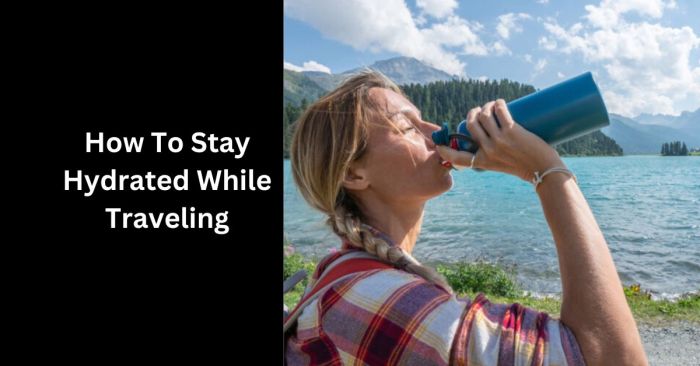
Maintaining hydration levels while traveling is crucial for overall health and well-being. Dehydration can lead to a variety of health issues, especially during trips when your body may be under more stress than usual. By taking preventive measures and managing your hydration proactively, you can ensure a smooth and enjoyable travel experience.
Preventive Measures for Hydration
- Carry a reusable water bottle with you at all times and refill it regularly.
- Avoid excessive consumption of caffeinated or alcoholic beverages, as they can contribute to dehydration.
- Eat water-rich foods such as fruits and vegetables to supplement your fluid intake.
- Set reminders on your phone or watch to drink water regularly throughout the day.
- Monitor the color of your urine to ensure you are adequately hydrated – light yellow or clear urine indicates proper hydration.
Role of Hydration in Preventing Health Issues
- Proper hydration helps prevent issues such as headaches, fatigue, and muscle cramps that can arise during travel.
- Hydrating adequately can also support your immune system, reducing the risk of getting sick while away from home.
- Dehydration can exacerbate conditions like jet lag and digestive problems, highlighting the importance of staying hydrated.
Proactive Hydration Management Tips
- Research the water quality at your destination and consider using a water filter or purchasing bottled water if necessary.
- Drink water before you feel thirsty, as thirst is a late indicator of dehydration.
- Pack electrolyte packets or tablets to add to your water in case you need to replenish lost minerals due to sweating or other factors.
- Avoid relying solely on sugary drinks for hydration, as they can lead to energy crashes and further dehydration.
Proper Nutrition
Proper nutrition plays a crucial role in maintaining optimal hydration levels while traveling. The food choices we make can significantly impact our body’s ability to stay hydrated and healthy on the road.
Dietary Guidelines for Optimal Hydration
- Aim to consume a balanced diet rich in fruits, vegetables, whole grains, lean proteins, and healthy fats. These foods provide essential nutrients that support overall hydration.
- Avoid excessive consumption of caffeine and alcohol, as they can have dehydrating effects on the body. Opt for water, herbal teas, and natural fruit juices instead.
- Include water-rich foods in your meals, such as cucumbers, watermelon, tomatoes, and oranges. These foods not only contribute to hydration but also provide important vitamins and minerals.
- Stay mindful of your salt intake, as excessive salt can lead to dehydration. Opt for low-sodium options and avoid processed foods high in salt content.
- Consider incorporating electrolyte-rich foods like bananas, yogurt, and coconut water into your diet to help maintain proper hydration levels, especially in hot climates or during physical activities.
Impact of Food Groups on Hydration Levels
- Fruits and Vegetables: High water content in fruits and vegetables can contribute significantly to your daily fluid intake, aiding in hydration.
- Proteins: Lean proteins like chicken, fish, and tofu can support hydration by providing essential amino acids for cell function and repair.
- Whole Grains: Whole grains like quinoa, oats, and brown rice can help maintain hydration levels due to their fiber content, which aids in digestion and nutrient absorption.
- Dairy and Alternatives: Dairy products or plant-based alternatives like almond milk can be hydrating and provide essential nutrients like calcium and vitamin D.
- Fats: Healthy fats from sources like avocados, nuts, and olive oil can support hydration by promoting cell membrane health and overall bodily function.
Quality Sleep
Quality sleep is essential for maintaining hydration levels, especially during travel. When we sleep, our body goes through important processes that help regulate fluid balance, which is crucial for staying adequately hydrated. Lack of sleep can disrupt these processes and lead to dehydration, making it important to prioritize restful sleep while on the go.
Tips for Ensuring Restful Sleep
- Avoid caffeine and large meals before bedtime to improve sleep quality.
- Create a relaxing bedtime routine to signal to your body that it’s time to rest.
- Ensure your sleep environment is comfortable, quiet, and dark to promote deep sleep.
- Limit screen time before bed to reduce exposure to blue light that can interfere with sleep.
- Stay hydrated throughout the day to prevent nighttime disruptions due to thirst.
Link Between Sleep Deprivation and Hydration Imbalances
Sleep deprivation can disrupt the body’s ability to regulate fluid balance, leading to dehydration. When we don’t get enough rest, our hormone levels are affected, impacting our hydration levels. This imbalance can result in symptoms like fatigue, headaches, and difficulty concentrating, making it crucial to prioritize quality sleep to support proper hydration.
Cardio Health
Maintaining good cardiovascular health is crucial for overall well-being, including proper hydration levels. The heart plays a vital role in circulating fluids and nutrients throughout the body, affecting hydration requirements.
Impact of Cardio Health on Hydration
Regular cardio exercises, such as running, cycling, or swimming, can improve heart function and increase blood circulation. A healthy heart can efficiently pump blood and nutrients to the cells, helping to regulate fluid balance and hydration levels in the body.
Examples of Cardio Exercises
- Running: Running helps strengthen the heart muscle and improve cardiovascular endurance, promoting better circulation and hydration.
- Cycling: Cycling is a low-impact cardio exercise that can enhance heart health and support fluid balance in the body.
- Swimming: Swimming is a full-body workout that engages the cardiovascular system, aiding in maintaining optimal hydration levels.
Immune Boost
Staying adequately hydrated while traveling is not only essential for physical health but also plays a crucial role in boosting the immune system. Proper hydration helps in supporting the immune functions, ensuring your body can effectively fight off illnesses and infections during your trip.
Immune-Boosting Foods and Beverages
Include immune-boosting foods and beverages in your travel diet to further enhance your body’s defense mechanisms. Some examples of these foods include:
- Citrus fruits rich in Vitamin C like oranges and grapefruits.
- Leafy greens such as spinach and kale packed with antioxidants and vitamins.
- Probiotic-rich foods like yogurt to promote a healthy gut, linked to stronger immune responses.
- Ginger and turmeric known for their anti-inflammatory properties.
- Green tea with antioxidants that can help boost immunity.
Hydration and Immune Function
Hydration is closely linked to immune function, as water is essential for various bodily processes, including the production and circulation of immune cells. When traveling, ensure you drink an adequate amount of water throughout the day to keep your immune system functioning optimally.
Dehydration can weaken your body’s defenses, making you more susceptible to illnesses.
Positive Mindset
Having a positive mindset plays a crucial role in enhancing hydration practices while traveling. It can help individuals stay motivated and consistent in maintaining adequate fluid intake, especially in unfamiliar environments where routines may be disrupted.
Strategies for Maintaining a Positive Attitude, Best practices for staying adequately hydrated while traveling
- Acknowledge the importance of hydration for overall well-being and performance.
- Set reminders or alarms to drink water regularly throughout the day.
- Choose beverages that you enjoy to make hydration more enjoyable.
- Practice mindfulness and gratitude by appreciating the opportunity to explore new destinations and nourish your body.
- Stay optimistic and flexible in adapting to different hydration options available while traveling.
Mental Benefits of Staying Well-Hydrated
Maintaining proper hydration levels not only supports physical health but also positively impacts mental well-being. When well-hydrated, individuals may experience improved cognitive function, mood regulation, and stress management, which are essential for enjoying travel experiences to the fullest.
Clean Eating
When it comes to supporting hydration on the go, clean eating plays a crucial role in ensuring you consume nutrient-rich foods that can help keep you adequately hydrated during your travels. Clean eating involves choosing whole, unprocessed foods that are as close to their natural state as possible, free from additives and artificial ingredients.
Hydrating Foods for Travel Meals
Including hydrating foods in your travel meals can help you stay hydrated throughout your journey. Some examples of clean, hydrating foods to incorporate into your diet include:
- Fresh fruits like watermelon, oranges, and berries
- Vegetables such as cucumbers, bell peppers, and celery
- Leafy greens like spinach, kale, and lettuce
- Coconut water for electrolyte replenishment
Avoiding processed foods is essential for proper hydration as they often contain high levels of sodium, sugar, and unhealthy fats, which can contribute to dehydration. By opting for clean, whole foods, you can better support your body’s hydration needs.
Daily Activity
Staying active plays a crucial role in maintaining hydration levels while traveling. Daily activity helps regulate the body’s fluid balance and can also increase water loss through sweat, making it essential to stay hydrated throughout the day.
Tips for Staying Active and Hydrated
- Aim to drink water before, during, and after physical activities to replenish lost fluids.
- Carry a reusable water bottle to ensure easy access to water throughout the day.
- Include hydrating snacks like fruits and vegetables in your daily routine to supplement your fluid intake.
- Avoid sugary drinks and excessive caffeine, as they can contribute to dehydration.
Impact of Different Activities on Hydration Needs
Various types of daily activities can have different impacts on hydration needs. For example, intense exercise or outdoor activities in hot weather can increase sweat production and fluid loss, requiring more water intake to maintain hydration levels. On the other hand, less strenuous activities like walking or light stretching may not have as significant an impact on hydration but still require regular fluid intake to support overall health.
Holistic Health
Holistic health focuses on the interconnectedness of the mind, body, and spirit to achieve overall well-being. When it comes to staying adequately hydrated, holistic practices can play a significant role in maintaining hydration levels, especially during travel.
Holistic Approaches to Hydration Management
- Drink herbal teas or infused water with natural ingredients like fruits and herbs to enhance hydration and provide added nutrients.
- Practice mindfulness and listen to your body’s signals to ensure you are drinking enough water throughout the day.
- Include hydrating foods in your diet, such as cucumbers, watermelon, and leafy greens, to supplement your fluid intake.
- Engage in relaxation techniques like yoga or meditation to reduce stress, which can impact hydration levels.
Connection Between Mind, Body, and Hydration
In holistic wellness, the mind, body, and hydration are interconnected. Stress and negative emotions can lead to dehydration due to increased cortisol levels, affecting the body’s ability to retain water. By focusing on mental well-being through practices like meditation and positive thinking, you can support optimal hydration levels.
Mindful Living
Mindful living in the context of hydration while traveling involves being present and aware of your body’s needs for water throughout your journey. It means paying attention to your hydration levels and taking intentional steps to ensure you are adequately hydrated despite the challenges of being on the go.
Mindfulness Techniques for Hydration on Trips
- Set reminders on your phone or watch to drink water at regular intervals during your travels.
- Use a refillable water bottle and keep it visible to remind yourself to sip water frequently.
- Practice mindful drinking by focusing on the sensation of drinking water and appreciating how it nourishes your body.
- Acknowledge the signs of dehydration, such as dry mouth or dark urine, and respond promptly by hydrating yourself.
Benefits of Mindfulness in Travel Hydration Routine
- Enhanced awareness of your body’s hydration needs, leading to better overall health and well-being.
- Reduced risk of dehydration-related issues like fatigue, headaches, and digestive problems while traveling.
- Improved focus and cognitive function, allowing you to enjoy your travel experiences to the fullest.
- Increased mindfulness can also positively impact other aspects of your trip, such as food choices and stress management.
Emotional Balance
Maintaining emotional balance is crucial for staying adequately hydrated while traveling. Emotions play a significant role in influencing our hydration levels, as stress, anxiety, or even excitement can impact how much water our bodies require.
Strategies for Emotional Management
- Acknowledge and address your emotions: Recognize when you are feeling stressed or anxious and take steps to manage these emotions effectively.
- Practice mindfulness: Engage in activities like meditation or deep breathing exercises to stay present and calm, helping regulate your emotions.
- Stay connected: Surround yourself with supportive people who can provide comfort and encouragement during stressful situations.
- Engage in self-care: Prioritize activities that help you relax and unwind, such as taking a warm bath or going for a leisurely walk.
Impact of Emotions on Hydration
Emotions can influence your body’s hydration requirements by triggering physiological responses like increased heart rate or sweating. For example, feeling anxious or nervous may lead to higher water loss through perspiration, requiring you to replenish fluids more frequently.
Health Education: Best Practices For Staying Adequately Hydrated While Traveling
Health education plays a vital role in helping individuals understand the importance of staying adequately hydrated while traveling. By learning about hydration needs and best practices, people can make informed decisions to maintain their health and well-being on trips.
Value of Health Education in Understanding Hydration Needs
Health education equips individuals with the knowledge to recognize the signs of dehydration and understand the impact of inadequate fluid intake on their bodies. By educating themselves on hydration requirements based on factors like climate, activity levels, and duration of travel, people can take proactive steps to prevent dehydration and its associated risks.
Resources for Learning About Proper Hydration Practices
- Consulting reputable websites, medical journals, and health publications for expert advice on hydration.
- Attending workshops, seminars, or webinars conducted by healthcare professionals to gain insights into effective hydration strategies.
- Seeking guidance from certified nutritionists or dietitians for personalized recommendations on fluid intake during travel.
Role of Education in Promoting Healthy Hydration Habits
Education serves as a catalyst for promoting healthy hydration habits by raising awareness about the benefits of proper fluid intake and the risks of dehydration. Through educational initiatives, individuals are empowered to make conscious choices to prioritize hydration, leading to improved overall health and well-being.
Self-Care
Self-care practices play a crucial role in enhancing hydration maintenance during travel. By prioritizing self-care routines that focus on hydration, individuals can ensure their overall well-being is supported while on trips. Let’s explore some self-care tips that can help in maintaining proper hydration levels and promoting a healthy travel experience.
Self-Care Tips for Hydration
- Carry a reusable water bottle with you at all times to stay hydrated on the go.
- Set reminders on your phone or watch to drink water regularly throughout the day.
- Avoid excessive consumption of caffeinated or alcoholic beverages, as they can lead to dehydration.
- Incorporate hydrating foods such as fruits and vegetables into your meals and snacks.
- Practice mindful drinking by sipping water slowly and paying attention to your body’s hydration cues.
Chronic Disease
Chronic diseases can have a significant impact on hydration management, especially when traveling. Conditions such as diabetes, kidney disease, and heart disease can affect fluid balance and require individuals to be more vigilant about their hydration levels.
Impact of Chronic Diseases on Hydration Management
Individuals with chronic diseases may have specific hydration needs due to their condition. For example, those with diabetes need to monitor their fluid intake closely to prevent fluctuations in blood sugar levels. Kidney disease may require restricted fluid intake to avoid overloading the kidneys.
Heart disease can lead to fluid retention, necessitating careful monitoring of salt and water intake.
Considerations for Individuals with Chronic Conditions
- Consult with a healthcare provider before traveling to understand specific hydration needs.
- Carry necessary medications and medical supplies related to your condition.
- Be aware of any dietary restrictions that may impact your hydration levels.
Tips for Staying Adequately Hydrated on Trips
- Carry a refillable water bottle and drink water regularly throughout the day.
- Monitor your urine color to gauge hydration levels (pale yellow is ideal).
- Include hydrating foods such as fruits and vegetables in your diet.
- Avoid excessive caffeine and alcohol consumption, as they can dehydrate the body.
Ultimate Conclusion
In conclusion, prioritizing hydration is key to a successful and enjoyable travel experience. By following these best practices and incorporating them into your routine, you can stay hydrated, healthy, and ready to make the most of your adventures.
FAQ Insights
How can I stay hydrated while traveling?
Make sure to carry a reusable water bottle and drink water regularly throughout the day. Additionally, opt for hydrating foods like fruits and vegetables.
Does mental wellness affect hydration levels?
Yes, stress can lead to dehydration. Practicing mindfulness and stress-relief techniques can help you stay adequately hydrated while traveling.
What role does physical fitness play in hydration?
Physical activity can impact your hydration needs. Incorporating exercise routines and staying mindful of your hydration levels is essential.
Why is preventive care important for hydration?
Preventive measures can help you maintain hydration levels and prevent health issues while traveling. Stay proactive in managing your hydration.


